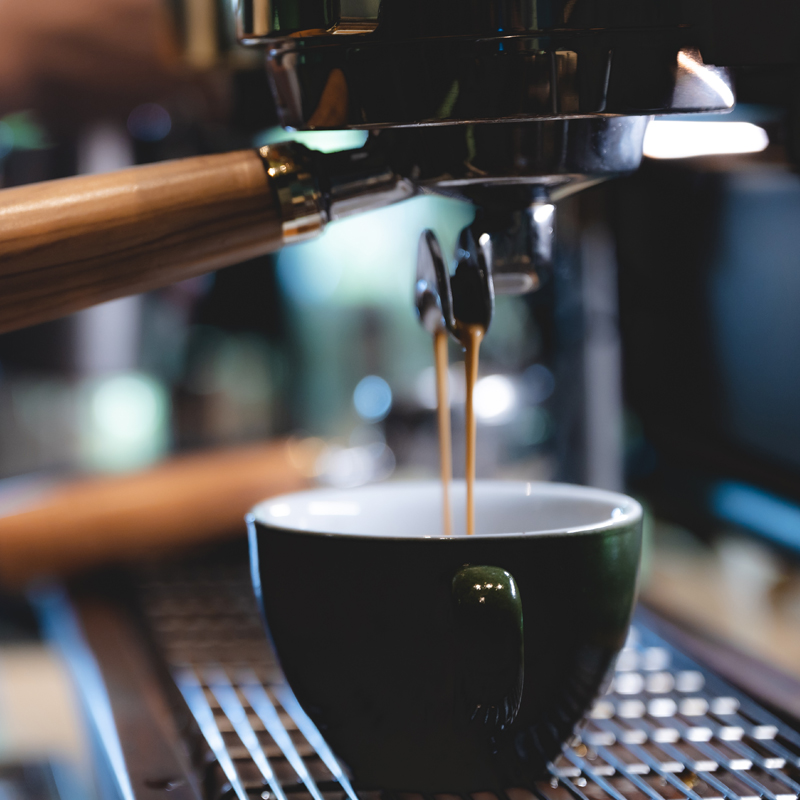

In today’s café scene, consistency is everything! Whether you’re running a high-volume cafe or dialing in for a competition-level pour, understanding espresso variables is the key to delivering flavour your customers come back for.
Every shot is shaped by split-second decisions and fine adjustments, mastering those variables is what sets great cafés apart. Below is a clear breakdown of the espresso variables that matter most and how you can use them to elevate quality and workflow in your café.
Core variables that influence espresso
Every espresso is the result of a balancing act between Grind Size, Yield, Dose, Temperature and Machine Pressure. Each one impacts acidity, flavour clarity, body, sweetness, and aftertaste. A small tweak can completely shift the final cup, which is why understanding these variables is vital for both training new staff and refining recipes in a professional café environment.
Hands-on testing is the best way to learn
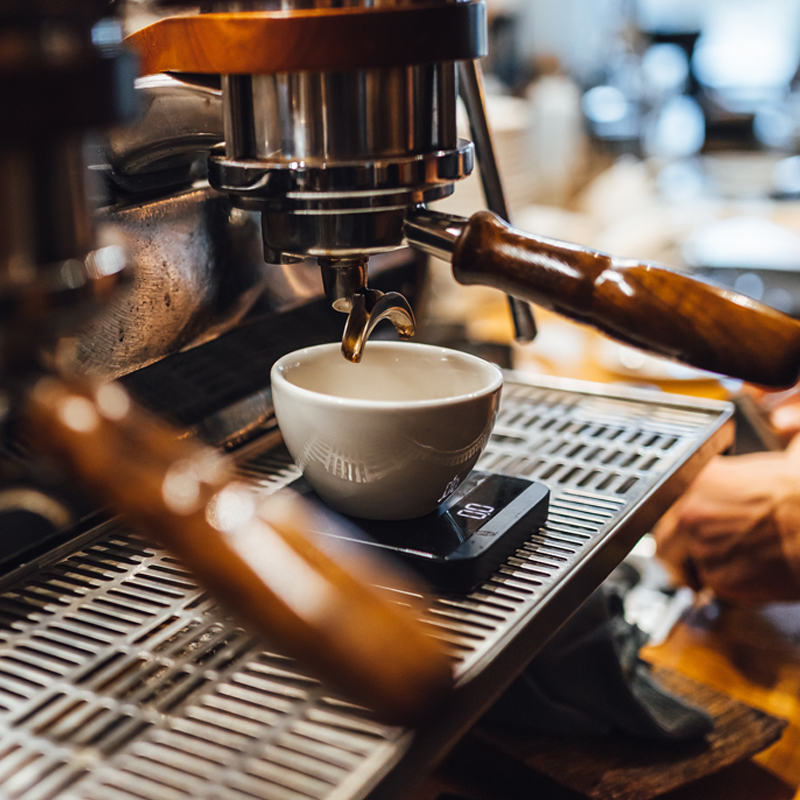
The most effective way to understand each variable is through controlled testing, changing one variable at a time while keeping everything else consistent. This approach makes it easy to see exactly how the espresso responds.
Grind Size
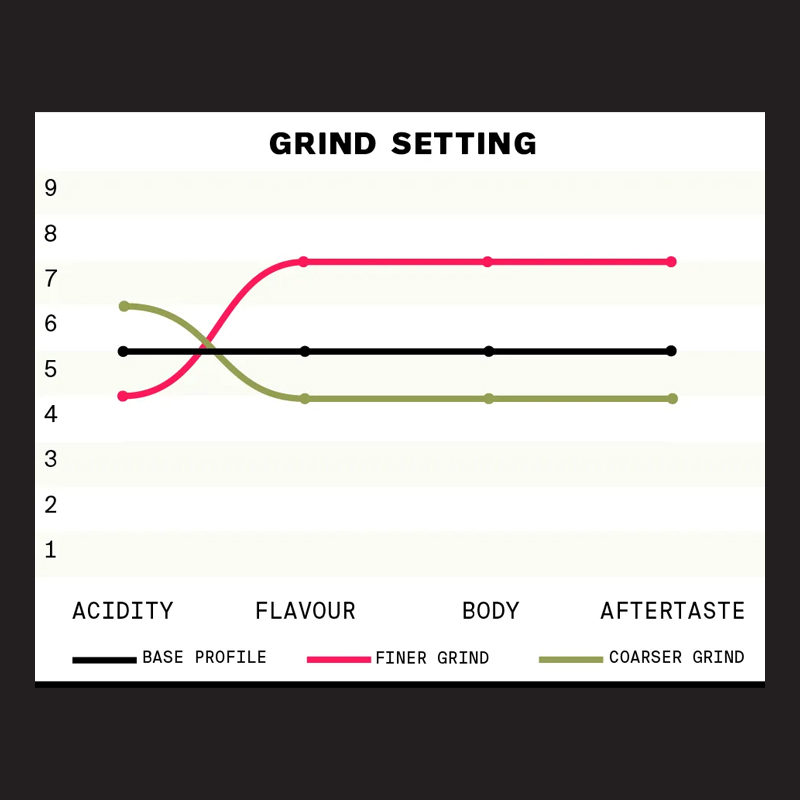
Step 1) Control Shot: Pull a shot using your standard grind.
Step 2) Test: Adjust only the grind: one finer, one coarser.
Step 3) Taste & Record: Compare acidity, body, flavour, and aftertaste.
Finer grind: lower acidity, increased body, more intense flavour and aftertaste.
Coarser grind: higher acidity, lighter body, softer flavours.
Yield (Brew Ratio)
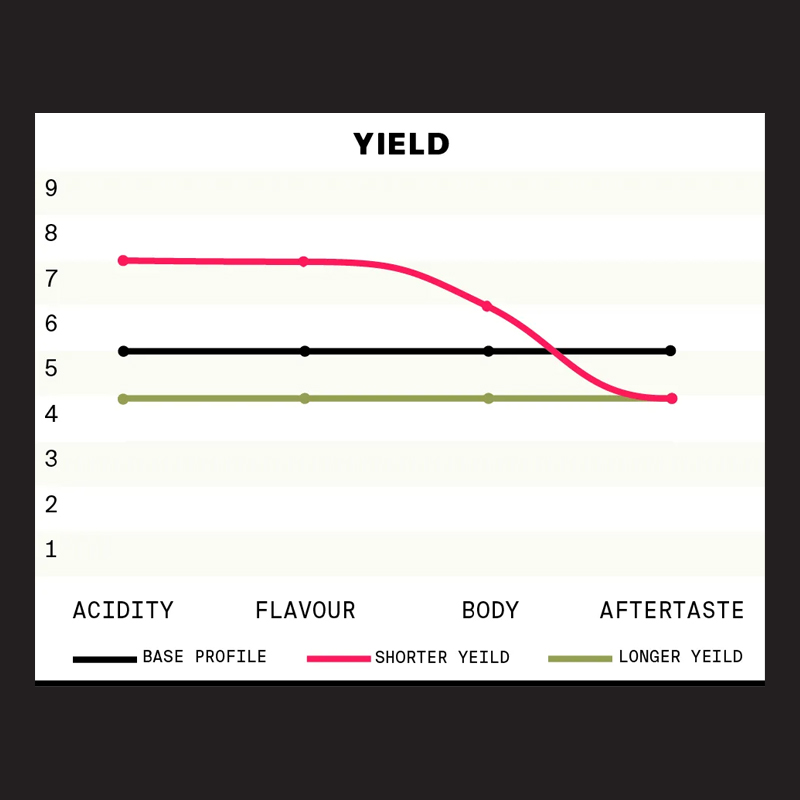
Step 1) Control Shot: Use your usual output.
Step 2) Test: Pull a longer shot, then a shorter one.
Step 3) Taste & Record:
Longer yield: lighter body, higher perceived acidity.
Shorter yield: richer, denser body with stronger flavour.
Dose
Step 1) Control Shot: Use your standard dose.
Step 2) Test: Try a smaller dose, then a larger one.
Step 3) Taste & Record:
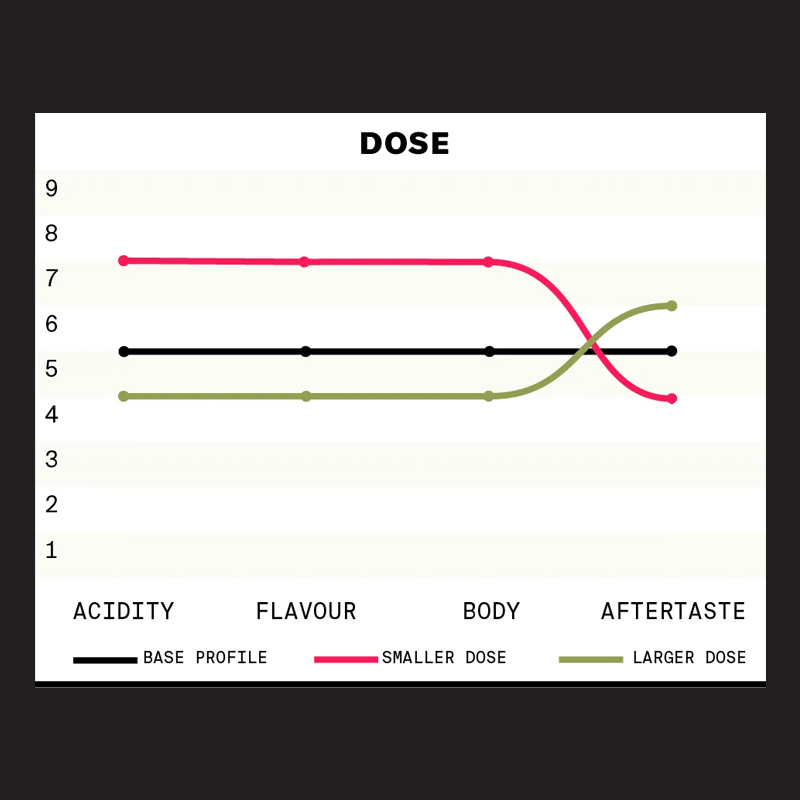
Smaller dose: lighter, more acidic, lower intensity across most attributes.
Larger dose: increased overall strength, heavier body, longer aftertaste.
Temperature
Step 1) Control Shot: Use your standard brew temp.
Step 2) Test: Raise the temperature a few degrees, then lower it.
Step 3) Taste & Record:
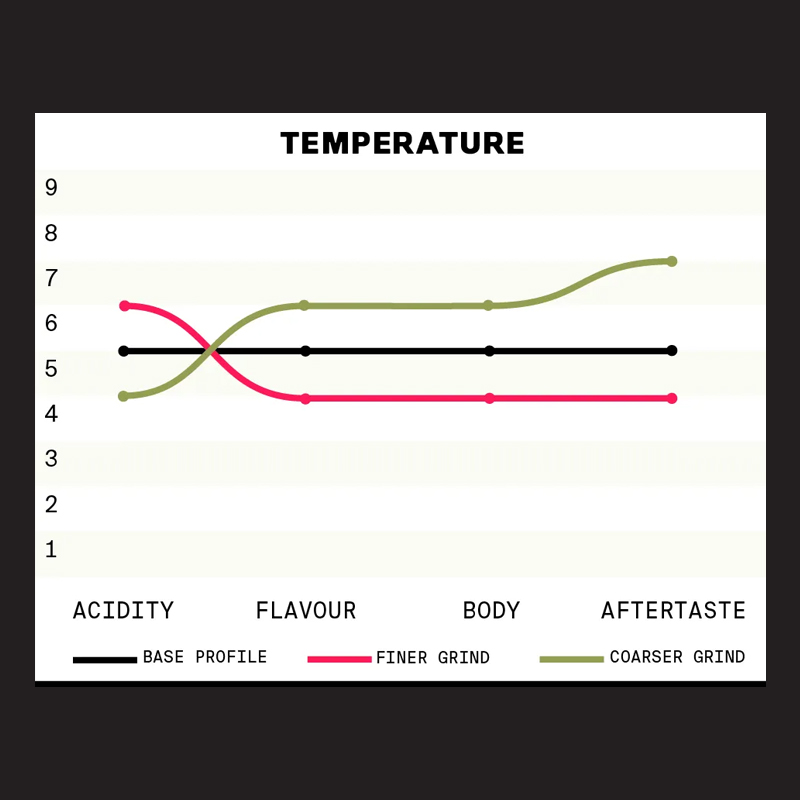
Higher temp: sweeter, fuller-bodied, smoother acidity.
Lower temp: brighter acidity, lighter body, more sharpness.
Machine Pressure
Step 1) Control Shot: Pull a shot at your café’s usual pressure.
Step 2) Test: Lower the pressure, then increase it.
Step 3) Taste & Record:
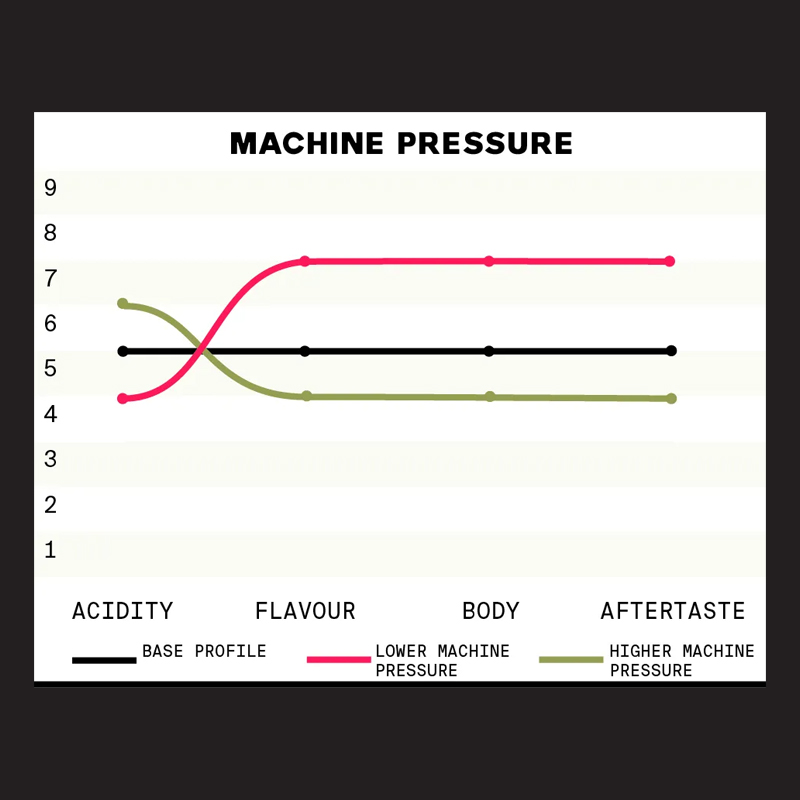
Lower pressure: softer, less intense shot with reduced body.
Higher pressure: heightened acidity and stronger extraction.
You should only change one variable at a time
In a busy café, it’s tempting to adjust multiple things at once. But isolating variables is the fastest way to build barista confidence, troubleshoot consistency issues, and maintain a reliable house recipe. By understanding how each adjustment behaves on its own, you gain full control over the final flavour profile. Visual guides such as intensity graphs or flavour maps are incredibly useful for training staff and standardising recipes across shifts. Tools like these help baristas understand how flavour, body, and aftertaste shift with each variable, making skill development faster and more intuitive.
Dialling in espresso isn’t a one-off task; it’s an ongoing craft! With a solid understanding of these variables, your team will be able to adapt to new coffees, changing climates, equipment upgrades, and customer expectations all while maintaining consistently excellent results.
Sourced from our friends at Zest Coffee.