
In almost any specialty café you will hear terms like “This one’s a natural” or “Today’s single origin is a washed Ethiopian.” For coffee professionals, these descriptions instantly paint a picture of flavour. For many customers though, they can sound confusing or overly technical. Helping customers understand coffee processing is one of the easiest ways to create a more memorable café experience. Better still, it turns everyday coffee drinkers into curious customers who become excited to explore specialty coffee.
Why coffee processing matters
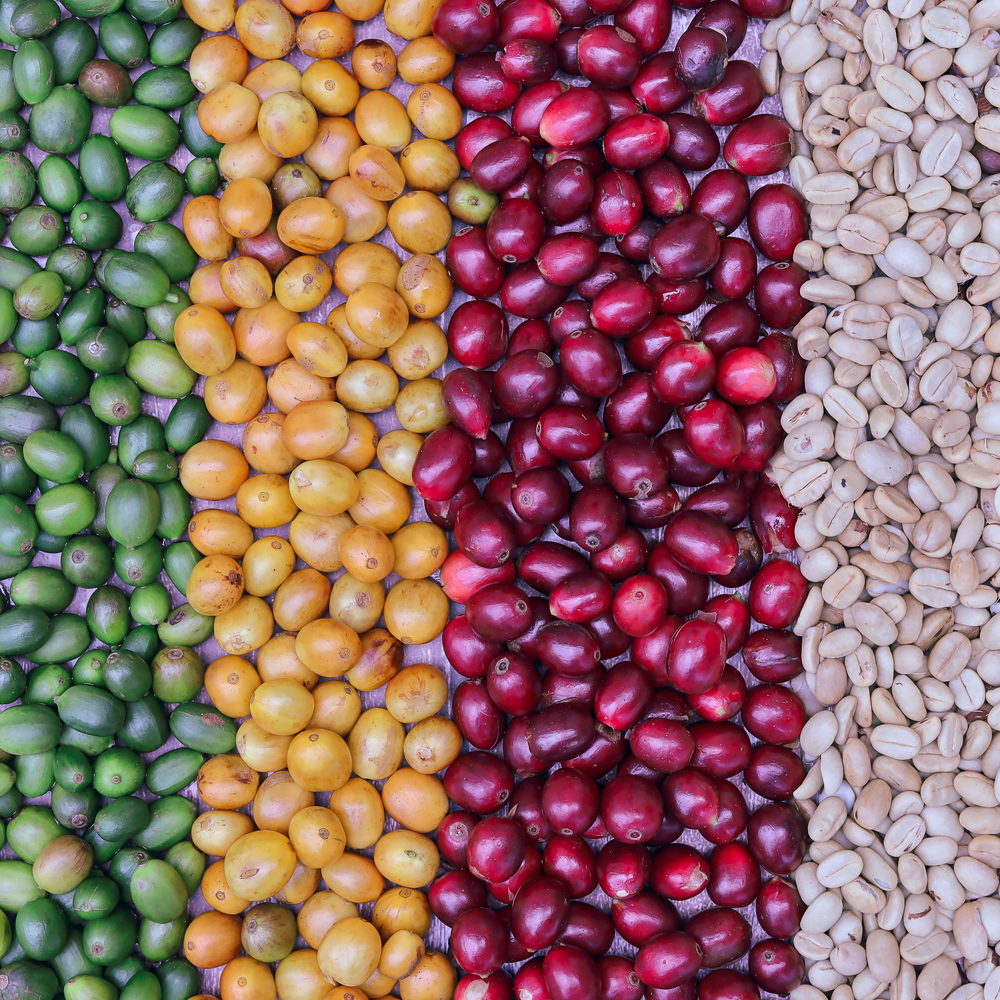
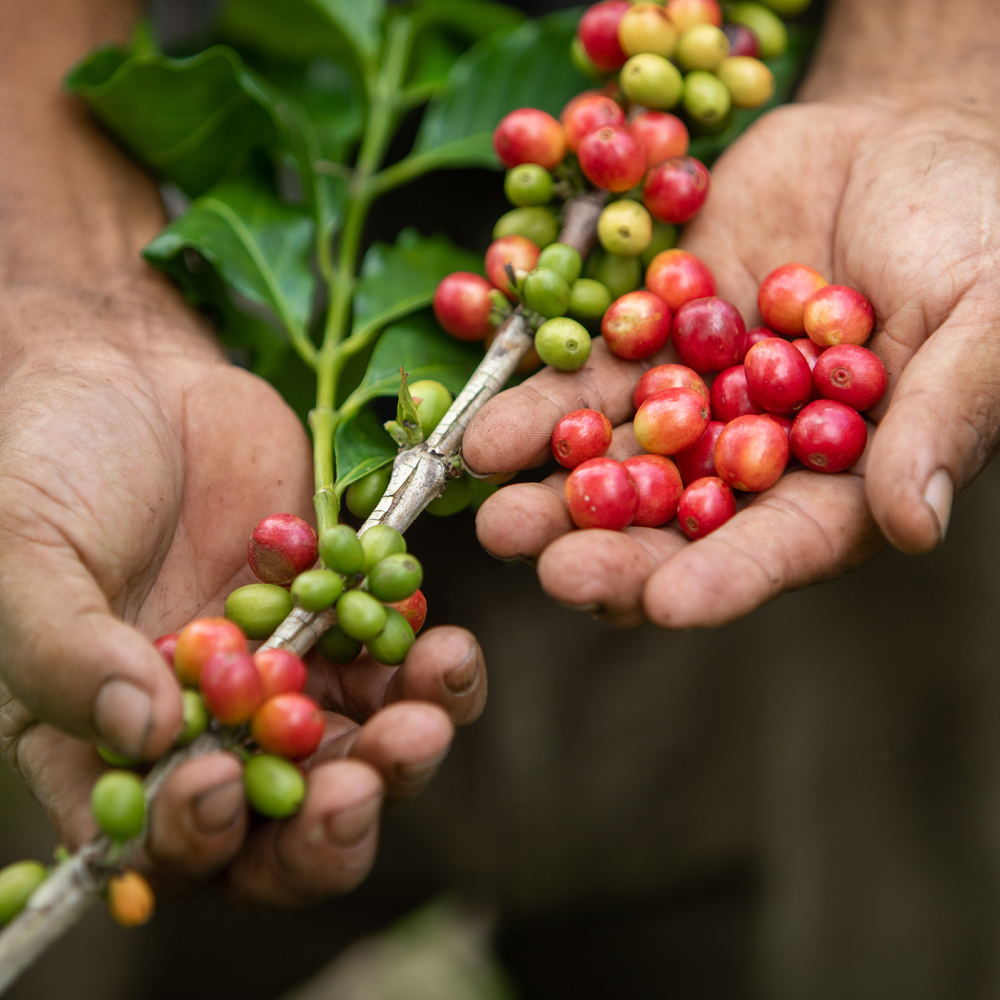
Before coffee is roasted, brewed and served, it begins life as a fruit. Processing is the stage where the fruit surrounding the coffee bean is removed after harvesting. The way this happens has a huge influence on the final cup, affecting everything from sweetness and body to acidity, texture and flavour. In many cases, processing has an even greater impact on flavour than the roast profile or brewing method. Once customers understand this simple concept, tasting notes become much easier to understand and specialty coffee suddenly feels far more approachable.

The wine comparison that makes everything click
One of the easiest ways to explain coffee processing is by comparing it to wine. Most people already have an idea of what a red or white wine tastes like, making it a familiar reference point.
Natural Process = Red Wine
Natural processed coffees dry with the fruit still surrounding the bean. This allows more fruit sugars and fermentation flavours to develop, creating coffees that are often rich, full-bodied, fruity, sweet, jammy and chocolatey. If someone enjoys bold red wines, they’ll often appreciate the vibrant fruit character of natural coffees.
Washed Process = White Wine
With washed coffees, the fruit is removed before drying. The result is a cleaner, brighter cup where the origin characteristics shine through. Expect flavours such as citrus, floral notes, stone fruit, tea-like clarity and crisp acidity. Customers who enjoy fresh, crisp white wines will often gravitate towards washed coffees.
Honey Process = Rosé
Honey processing sits comfortably between the two. Some of the sticky fruit (called mucilage) remains on the bean while it dries, creating a balanced cup with both sweetness and clarity. Honey processed coffees often deliver silky body, gentle fruit sweetness, balanced acidity and a rounded mouthfeel. Think of it as the coffee equivalent to a rosé being smooth, approachable and somewhere between bold and bright.
Why this works so well in a café
Most customers don’t want a science lesson. They simply want enough information to feel confident choosing something new. Using familiar comparisons helps remove the intimidation that specialty coffee can sometimes create. Instead of overwhelming guests with technical terminology, you’re giving them an easy way to predict what they’ll enjoy. Those small conversations often become memorable experiences and memorable experiences build loyal customers.
Easy ways to introduce coffee processing during everyday service
When handing over a coffee, try saying: “This one’s a natural process, so expect lots of berry sweetness and a fuller body, think red wine.” or “If you enjoy bright, crisp flavours, you’ll probably love this washed coffee.” Keep it conversational and let curiosity do the rest.
Most customers aren’t looking for an explanation of fermentation or drying techniques. Instead, focus on what they’ll actually experience in the cup such as sweetness, acidity, body, texture and fruit flavours. These are the things customers remember.
If your café serves multiple single origins, consider offering a tasting flight. Three small pours showcasing different processing methods can quickly demonstrate how dramatically processing changes flavour. It’s a fun experience that encourages conversation and often leads to customers trying something new.
Rather than asking “What coffee do you normally drink?” try asking “Do you usually enjoy richer, fruitier flavours or something clean and crisp?” or “If you were choosing wine, would you usually order red or white?” These questions naturally guide customers toward coffees they’ll genuinely enjoy.
Consistency matters so equip your team with a few simple ways to describe each processing method. You can even include short flavour descriptions on menus, coffee cards or chalkboards to reinforce the conversation. Small touches like these help build confidence for both your staff and your customers.
Why These Conversations Matter
Specialty coffee is about much more than caffeine. Every coffee tells a story that begins on the farm and continues through processing, roasting and brewing. When baristas share even a small part of that story, customers begin to see coffee differently. They gain a greater appreciation for the craft involved and become more willing to explore new origins, varieties and brewing methods. That’s how specialty coffee continues to grow, one conversation at a time.
Coffee processing doesn’t need to feel technical or intimidating. With a few simple comparisons and relatable conversations, baristas can make specialty coffee more accessible while helping customers discover flavours they may never have experienced before. The next time someone asks what a “natural” or “washed” coffee means, you’ll have an answer that’s easy to understand and one they are likely to remember long after they’ve finished their cup.