
How much coffee should you order for your cafe?
Running out of coffee is stressful, ordering too much is expensive, and somewhere in between is the sweet spot every cafe is trying to find! If you’ve ever found yourself standing in the storeroom wondering whether you have enough coffee to get through the week wondering when you’re actually going to use them all, you’re not alone. For cafes, ordering coffee isn’t simply a matter of buying a few bags whenever the shelf looks empty. Your ideal order depends on how much coffee you sell, how often you get deliveries, how your trade changes throughout the months. The goal isn’t to have as much coffee as possible but rather to have enough coffee to keep service running smoothly, without tying up cash or compromising freshness.
So, how much coffee should you order at a time? A good starting point is to work backwards from your actual usage. Rather than ordering based on how much you think you need, look at how much coffee you’ve actually used over the past few weeks. A simple calculation is: Average weekly coffee usage + safety buffer = your target stock level. For example, if your cafe typically uses 12kg of coffee per week, you might start with a small buffer on top of that to account for unexpected busy periods, events, staff training or a particularly strong week. Your exact buffer will depend on your cafe, but the important thing is that you’re basing your order on real usage rather than guesswork.
Start with these four numbers:
- How many kilos of coffee do you use each week?
- How many days does your café trade?
-
How long between supply orders?
- How much extra coffee do you typically use during busy periods?
Once you know those numbers, your ordering pattern becomes much easier to manage.

One of the easiest mistakes is calculating your order based on your average day. Monday might be quiet, Saturday might be chaos, and a sunny public holiday weekend might bring a queue out the door. You need to account for those fluctuations. Take a look at your sales across the week and identify your high-volume days. If Friday and Saturday consistently account for a significant portion of your weekly coffee consumption, make sure your stock levels reflect that.
This is particularly important if you have:
- A weekend-heavy trade
- Seasonal tourism
- Events nearby
- Outdoor seating
- A strong takeaway trade
- A changing customer base
- Seasonal menu promotions
Your ordering rhythm should work with the way your cafe actually operates, rather than following a generic “order X bags every week” rule.
The cost of ordering too little
Running lean sounds good in theory, until you’re halfway through Saturday service and someone says, “We’re almost out of beans.” Running out of your house coffee isn’t just inconvenient. It can mean rushed emergency orders, additional delivery costs, staff stress and disappointed customers. And if your regulars have a favourite coffee, asking them to choose something else isn’t exactly the customer experience you’re aiming for. The same applies to other high-use cafe essentials. Running short on takeaway cups, lids, milk alternatives or cleaning products can create just as much disruption during a busy service. A useful approach is to set a reorder point, instead of waiting until you’re almost out, decide on a stock level that triggers your next order. For example: 12kg weekly usage + 3kg buffer = 15kg target stock. When your available stock drops to your chosen reorder point, it’s time to place the next order. The exact numbers will be different for every cafe and that’s the point.
Ordering too much
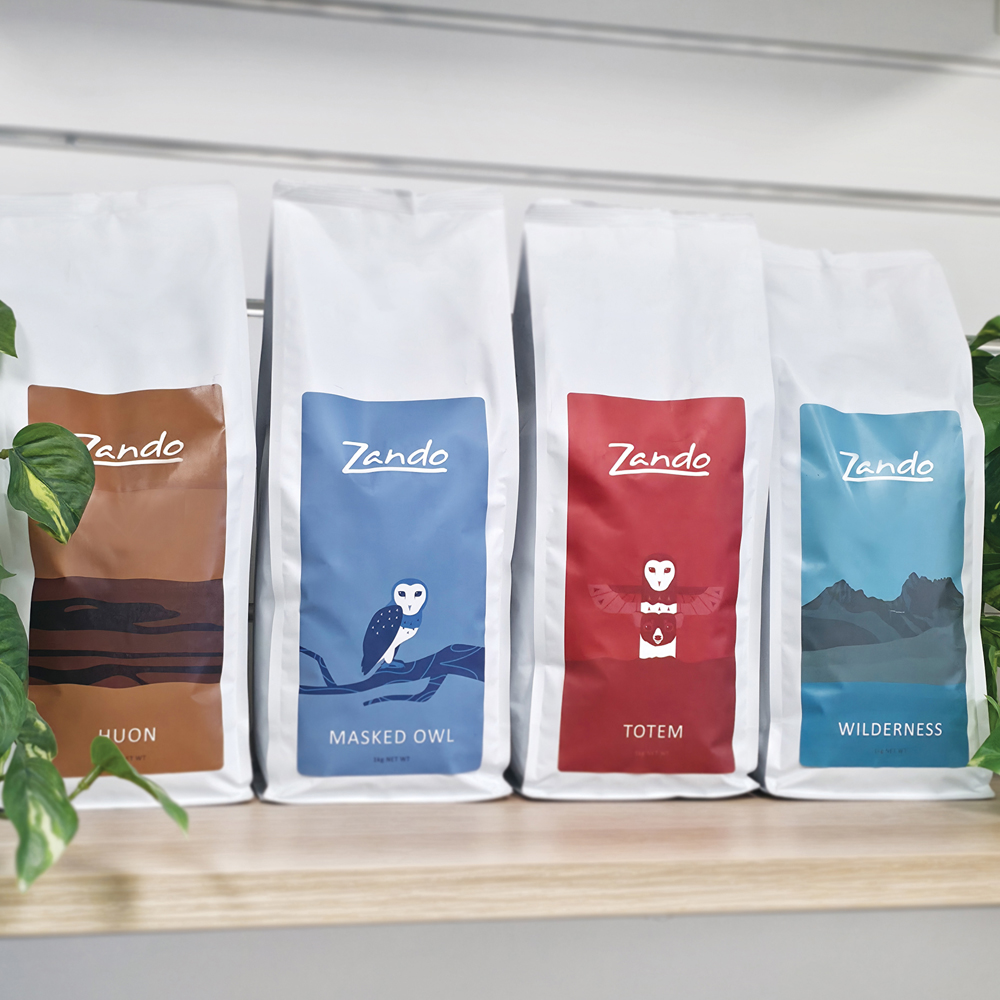
Coffee is different from products such as cups, napkins or takeaway packaging that can sit in storage for much longer periods. Once coffee is roasted and opened, freshness becomes part of the equation. Exposure to oxygen, heat, light and moisture can gradually affect flavour and aroma, so buying more than you can reasonably use isn’t necessarily the money-saving move it appears to be. This is where ordering frequency can matter just as much as order quantity. Instead of buying a huge amount once a month, you may find that smaller, more frequent orders give them a better balance between freshness, cash flow, storage space and reliability. For cafes with consistent weekly usage, a regular delivery schedule can take a lot of the guesswork out of ordering.
Think in kilos and not just bags
It sounds obvious, but it’s worth saying that a “bag” isn’t always the most useful unit when you’re planning your stock. Start tracking your coffee usage in kilograms. For example, a small cafe may use approximately 5-8kg a week requiring smaller, regular orders. While a medium sized cafe may use 10-20kg a week, resulting in orders once or twice a week. Meanwhile, a high-volume cafe using 20kg or more a week may need regular scheduled deliveries with more volume planning in mind. These are only examples, your actual usage will depend on your dose, drink volume, trading hours and menu. If you know that your cafe uses 15kg a week, it becomes much easier to compare quantity, delivery schedules and volume pricing. It also gives you a much clearer picture of your cost per cup.
Coffee dose matters too
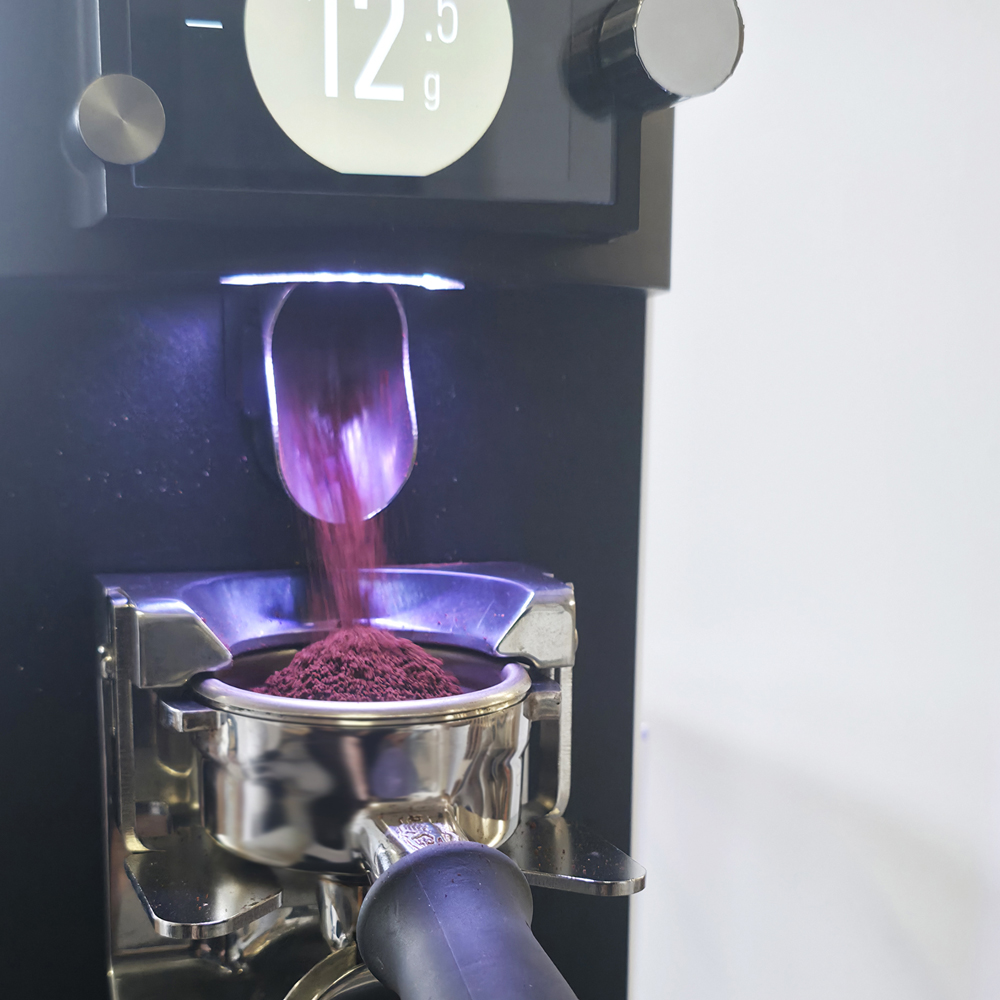
There’s another piece of the puzzle that can easily get overlooked, how much coffee you’re putting into each shot. If your recipe uses 18g per double shot and you’re making 500 espresso-based drinks, that’s around 9kg of coffee. At 20g per shot, the same 500 drinks would use 10kg. That 1kg difference might not sound enormous, but over a month, and across multiple sites it can add up. Consistent recipes, accurate scales and regular dial-ins help your team produce the coffee you’re aiming for while giving you much more reliable information for ordering.
Keeping some of these around will help:
- Commercial coffee scales
- Espresso dosing tools
- Coffee knock boxes
- Grinder cleaning products
- Group head cleaning products
- Coffee storage containers
-
Labelling and stock rotation systems
Decaf and alternative coffees
Your main house blend will probably account for the majority of your coffee usage, but don’t overlook the slower moving lines. Decaf, single origins and alternative brewing coffees can sit around much longer than your main espresso blend.
That doesn’t mean you shouldn’t stock them, it just means they should have their own par levels. Rather than automatically ordering the same quantity of every coffee, look at the individual usage of each SKU. For example, a house blend will result in high turnover and require larger, more frequent orders. While Decaf will produce a lower turnover and require smaller orders. This can help reduce the amount of coffee sitting unused while still giving customers the variety they’re looking for.
Storage matters more than you think
Even the best ordering system won’t help if your coffee isn’t stored properly. Keep coffee away from heat, direct sunlight, moisture, strong odours and excessive temperature fluctuations. And make sure your team knows which bags should be used first. A simple FIFO system: first in, first out, can help prevent older stock from being forgotten at the back of the shelf.
Make this easier with:
- Airtight coffee storage containers
-
Coffee bag clips and sealing systems
- Storage shelving
- Labelling systems
- Date markers
- Organised stock tubs
You don’t need a complicated inventory system, just one your whole team will actually use.

The sweet spot
There isn’t one magic answer to the question, “How much coffee should my cafe order?” A cafe doing 50kg a week has completely different needs to one doing 8kg. And a tourist cafe with wildly different summer and winter trade needs a different ordering strategy again. The best place to start is with your own numbers:
1. Track your usage: Record how many kilos of each coffee you use each week.
2. Find your average: Look at several weeks rather than relying on one unusually quiet or busy week.
3. Identify your busy periods: Take weekends, holidays, events and seasonal fluctuations into account.
4. Set a reorder point: Decide how much stock you need before placing your next order.
5. Choose an ordering rhythm: Work with a delivery schedule that keeps you stocked without overloading your storeroom.
6. Review it regularly: Your cafe changes, your coffee sales will change with it.
Need help working out your coffee requirements?
We can help you look at your current usage, delivery requirements, equipment and menu to work out an ordering rhythm that makes sense for your cafe. Whether you’re opening a new venue or simply wondering if you’re ordering too much (or not enough), it’s worth having the conversation. Because the goal isn’t a storeroom full of coffee. It’s a cafe that’s never caught short, never unnecessarily overstocked and consistently serving great coffee.